Wedding flowers do far more than decorate a venue. They influence atmosphere, support the event’s visual story, and help unify every styling decision from invitations to table settings. Choosing seasonal wedding flower palettes allows couples to create cohesive designs that feel natural, intentional, and visually balanced throughout the celebration.
Seasonal palettes also improve availability, freshness, and overall aesthetic harmony. When floral colors align with the time of year, the wedding environment feels connected to its surroundings rather than staged apart from them.
Understanding how each season shapes color combinations and flower choices helps couples and planners design weddings that feel timeless and thoughtfully styled.
Why Seasonal Flower Palettes Matter in Wedding Styling
Seasonal palettes provide a foundation for visual consistency across every design element of a wedding. Instead of selecting flowers randomly, couples can use the season itself as inspiration.
Benefits of seasonal floral palettes include:
- Stronger color harmony
- Better flower availability
- Improved freshness and longevity
- Natural visual balance with surroundings
- More cohesive décor coordination
Seasonal flowers often look more authentic in photographs because they reflect the environment naturally.
How Color Palettes Influence the Overall Wedding Atmosphere
Color choices shape how guests emotionally interpret a space. Floral palettes help establish mood before guests even notice individual details.
Examples of palette-driven atmosphere include:
- Soft pastels for romantic environments
- Bright tones for energetic celebrations
- Earth tones for grounded elegance
- Neutral palettes for timeless styling
- Deep jewel tones for dramatic impact
Flowers serve as visual anchors that reinforce these emotional impressions.
Spring Wedding Flower Palettes That Feel Fresh and Romantic
Spring weddings naturally support soft textures and light color transitions. Flowers in this season often feature layered petals and gentle tonal variation.
Popular spring palette colors include:
- Blush pink
- Lavender
- Peach
- Soft yellow
- Cream
- Pale blue
- Fresh greenery
These tones create a welcoming and uplifting atmosphere that reflects seasonal renewal.
Common spring wedding flowers include:
- Peonies
- Ranunculus
- Tulips
- Sweet peas
- Garden roses
- Anemones
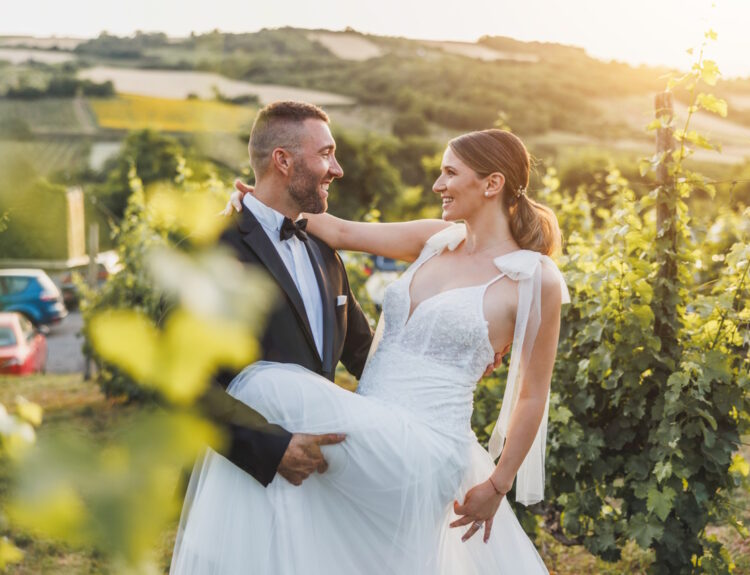
Spring palettes pair beautifully with outdoor ceremonies and garden-inspired receptions.
Styling With Pastel Palettes for Spring Weddings
Pastel floral palettes influence styling decisions across multiple event elements.
They complement:
- Light linen textures
- Natural wood accents
- Watercolor stationery
- Flowing fabrics
- Outdoor ceremony arches
Pastels soften the visual environment and create a sense of gentle movement throughout the venue.
Couples seeking romantic elegance often gravitate toward these combinations.
Summer Wedding Flower Palettes That Feel Bright and Energetic
Summer weddings allow for bold color exploration and vibrant floral variety. This season supports strong contrasts and saturated tones that photograph beautifully in natural light.
Popular summer palette colors include:
- Coral
- Fuchsia
- Bright yellow
- Orange
- Turquoise
- Magenta
- Fresh green
These colors reflect warmth and celebration energy.
Common summer wedding flowers include:
- Dahlias
- Zinnias
- Sunflowers
- Roses
- Lisianthus
- Delphinium
Summer palettes work especially well for outdoor venues and sunset receptions.
Using Vibrant Florals to Create Visual Impact in Summer
Bright floral palettes naturally draw attention and define focal areas.
Design strategies include:
- Bold ceremony arches
- Color layered centerpieces
- Statement bridal bouquets
- Hanging floral accents
- Vibrant escort card displays
These features strengthen visual storytelling across the event.
Summer palettes often encourage playful styling choices that feel expressive and joyful.
Autumn Wedding Flower Palettes That Feel Rich and Grounded
Autumn weddings are known for depth, texture, and warm color layering. Seasonal palettes often reflect the tones found in foliage and harvest landscapes.
Popular autumn palette colors include:
- Burgundy
- Rust
- Terracotta
- Deep plum
- Mustard yellow
- Burnt orange
- Olive green
These colors create warmth and visual richness throughout the venue.
Common autumn wedding flowers include:
- Dahlias
- Chrysanthemums
- Roses
- Marigolds
- Celosia
- Scabiosa
Autumn palettes support both rustic and refined wedding styles.
Creating Texture With Autumn Floral Combinations
Autumn styling benefits from layered textures that enhance depth across the event space.
Textural combinations often include:
- Velvet table runners
- Wooden décor accents
- Brass candle holders
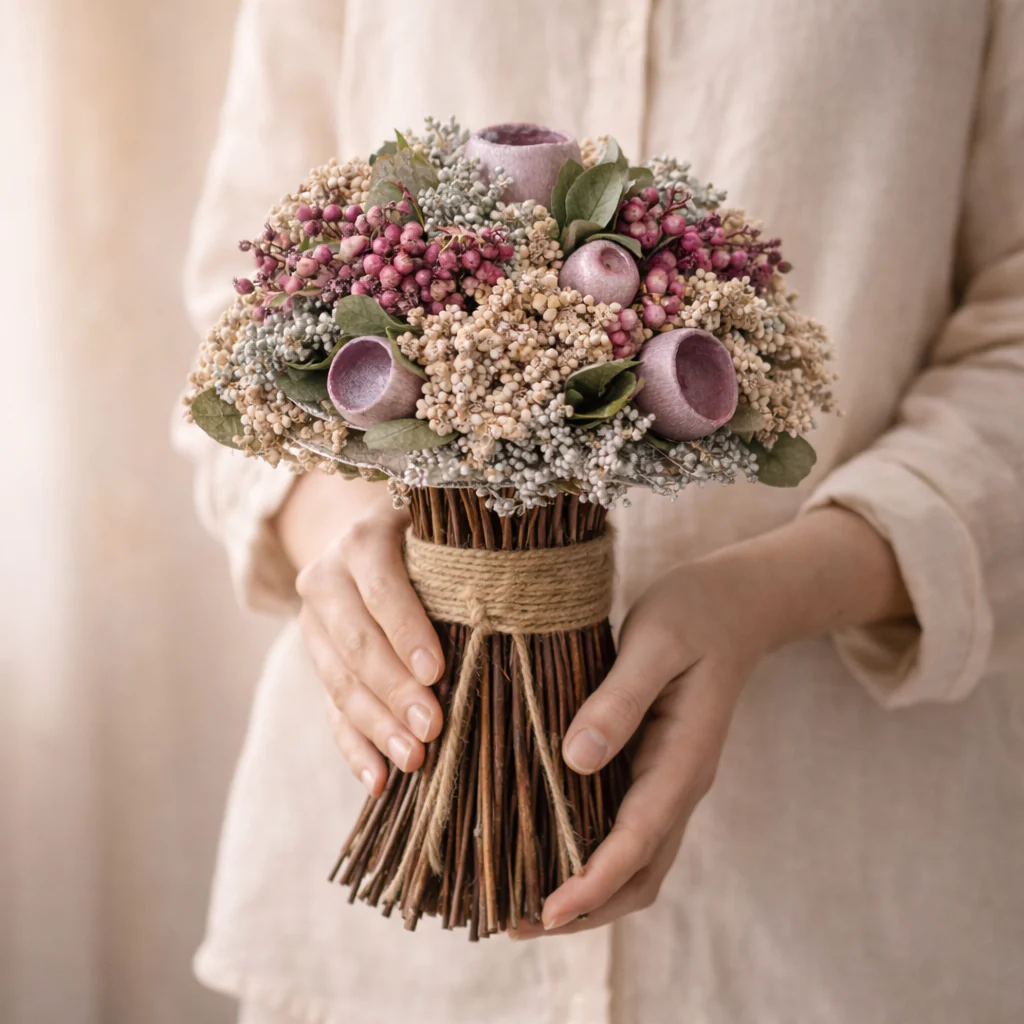
- Dried botanical elements
- Mixed greenery varieties
Texture adds dimension and reinforces seasonal authenticity.
Guests often associate autumn palettes with comfort and intimacy.
Winter Wedding Flower Palettes That Feel Elegant and Refined
Winter weddings often emphasize contrast and simplicity. Seasonal palettes typically focus on clean color combinations that highlight structure and lighting.
Popular winter palette colors include:
- White
- Ivory
- Deep red
- Emerald green
- Silver accents
- Soft gray
- Navy blue
These palettes create sophistication and clarity.
Common winter wedding flowers include:
- Roses
- Amaryllis
- Anemones
- Orchids
- Carnations
- Evergreen branches
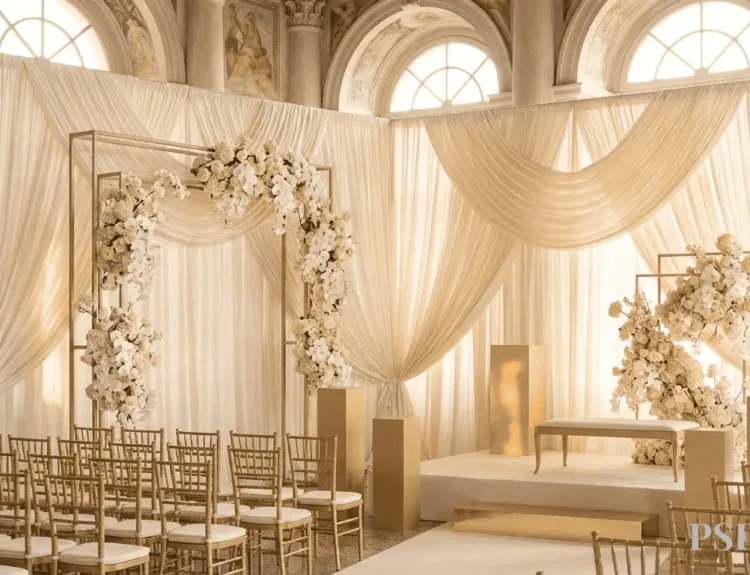
Winter palettes pair beautifully with candlelight and evening ceremonies.
Using Greenery to Enhance Winter Floral Styling
Greenery plays a central role in winter floral design.
Popular greenery options include:
- Pine branches
- Eucalyptus
- Cedar
- Holly
- Magnolia leaves
These elements add structure and seasonal identity without overwhelming the color palette.
Greenery also enhances fragrance and visual contrast.
Coordinating Floral Palettes With Venue Style
Venue selection influences how seasonal flower palettes appear in the space.
Examples include:
Garden Venues
Spring pastels and summer brights blend naturally with surrounding landscapes.
Historic Venues
Autumn tones and winter neutrals complement architectural textures.
Modern Spaces
Monochromatic palettes and structured arrangements enhance clean design lines.
Outdoor Locations
Seasonally inspired palettes feel especially cohesive with natural scenery.
Aligning floral palettes with venue characteristics strengthens visual consistency.
Matching Bridal Party Attire With Floral Color Palettes
Floral palettes help guide attire coordination across the wedding party.
Examples include:
- Blush bouquets paired with champagne dresses
- Burgundy florals complementing navy suits
- Ivory flowers matching neutral gowns
- Bright summer blooms supporting colorful attire
Coordinated styling strengthens visual unity across photographs and ceremony presentation.
Extending Floral Palettes Into Reception Styling
Floral colors influence many reception design elements beyond centerpieces.
These elements include:
- Table linens
- Candle colors
- Stationery accents
- Charger plates
- Cake decoration
- Escort card displays
Extending palette consistency across details ensures the environment feels intentional rather than assembled from separate choices.
Balancing Seasonal Flowers With Personal Preferences
While seasonal inspiration provides direction, personal style remains essential.
Couples often balance:
- favorite colors
- meaningful flowers
- cultural traditions
- venue characteristics
- photography priorities
This balance ensures the final palette feels both natural and personal.
Customization keeps seasonal palettes from feeling predictable.
Working With Florists to Refine Seasonal Palettes
Professional florists help translate seasonal inspiration into practical designs that suit the venue and timeline.
Florists typically assist with:
- flower availability planning
- color tone balancing
- texture layering
- arrangement scaling
- installation placement
Their guidance ensures seasonal palettes appear polished rather than improvised.
Collaboration improves both aesthetics and logistics.
Why Seasonal Flower Palettes Strengthen Wedding Styling Cohesion
Seasonal palettes create visual harmony across every stage of a wedding day. They connect ceremony design, reception décor, attire choices, and photography outcomes into one cohesive story.
Strong seasonal palettes contribute to:
- visual balance
- consistent atmosphere
- natural elegance
- improved guest experience
- memorable photographic results
When floral design reflects the time of year, the celebration feels grounded in its setting.
This connection transforms decorative choices into meaningful styling decisions.
Conclusion
Seasonal wedding flower palettes provide a powerful foundation for cohesive event styling. By aligning color choices with natural availability and environmental tone, couples can create celebrations that feel intentional, elegant, and visually memorable.
Whether inspired by spring pastels, summer vibrancy, autumn warmth, or winter refinement, seasonal palettes help unify décor, attire, and venue design into a complete visual experience that enhances every moment of the wedding day.
FAQ Section
How far in advance should couples select their wedding flower palette
Most couples choose their floral palette six to nine months before the wedding to allow time for planning and coordination with vendors.
Can seasonal palettes still include non seasonal flowers
Yes. Florists can incorporate select non seasonal flowers when necessary, though availability and cost may vary depending on sourcing conditions.
Do seasonal palettes influence wedding photography results
Yes. Seasonal colors often appear more natural in photographs because they reflect surrounding landscapes and lighting conditions.
How many colors should be included in a floral palette
Most successful palettes include two to four primary tones supported by complementary accent colors.
Should ceremony flowers match reception flowers exactly
They do not need to match perfectly, but they should share similar tones and textures to maintain visual continuity.
Are monochromatic floral palettes suitable for weddings
Yes. Monochromatic palettes can create elegant and modern styling when combined with varied textures and greenery.
Can seasonal flower palettes work for indoor weddings
Yes. Seasonal palettes remain effective indoors because they influence mood, lighting interaction, and décor coordination across the entire venue.