Wedding photography has evolved far beyond traditional posed portraits. Couples today increasingly prefer images that feel natural, emotional, and authentic rather than staged. This shift has contributed to the rising demand for documentary wedding photography styles, which focus on capturing real moments as they unfold throughout the day.
Instead of directing every scene, documentary photographers observe quietly and respond to genuine interactions. The result is a visual record that reflects the true atmosphere of the celebration and the personalities of everyone involved. This approach allows couples to relive their wedding day as it actually happened rather than as it was arranged for the camera.
Understanding why documentary photography continues to gain popularity helps couples make informed decisions about how they want their wedding story preserved.
What Documentary Wedding Photography Means
Documentary wedding photography, sometimes called photojournalistic wedding photography, centers on storytelling through candid imagery. The photographer captures spontaneous moments instead of relying heavily on posed compositions.
This style typically includes:
- Emotional reactions during ceremonies
- Natural conversations between guests
- Quiet preparation moments
- Genuine laughter during receptions
- Unexpected interactions throughout the day
Rather than controlling events, photographers document them as they naturally occur.
The goal is authenticity rather than perfection.
Why Couples Are Choosing Documentary Photography More Often
Modern couples value experiences that reflect their personalities rather than formal expectations. Documentary photography supports this preference by allowing weddings to unfold naturally.
Couples appreciate documentary styles because they:
- Reduce pressure to pose repeatedly
- Capture real emotions
- Preserve spontaneous memories
- Reflect genuine relationships
- Create storytelling continuity
This approach helps couples stay present instead of focusing on camera direction.
The result is a more relaxed wedding day experience.
Authentic Emotion Creates Stronger Visual Memories
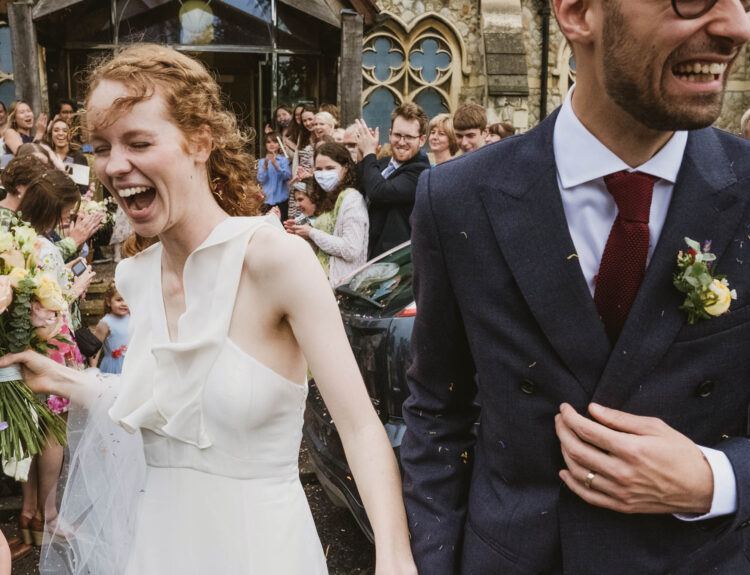
One of the strongest advantages of documentary photography is emotional realism. Genuine reactions often carry more meaning than carefully arranged poses.
Examples of authentic moments commonly captured include:
- Parents reacting during ceremonies
- Friends sharing quiet conversations
- Children interacting freely
- Couples laughing between formal events
- Guests responding to speeches
These images preserve the emotional atmosphere of the day.
They often become the most treasured photographs in a wedding collection.
Natural Light Plays a Central Role in Documentary Style
Documentary photographers frequently rely on natural lighting conditions rather than staged lighting setups. This approach enhances realism and preserves the environment’s original character.
Natural light photography supports:
- Soft skin tones
- Environmental authenticity
- Consistent visual storytelling
- Comfortable guest interaction
Photographs feel less intrusive when lighting remains unobtrusive.
Natural lighting also helps maintain continuity across different moments of the wedding day.
Capturing the Full Story Rather Than Selected Highlights
Traditional wedding photography often focuses heavily on major milestones. Documentary photography expands coverage to include smaller moments that shape the overall experience.
These moments may include:
- Preparations before the ceremony
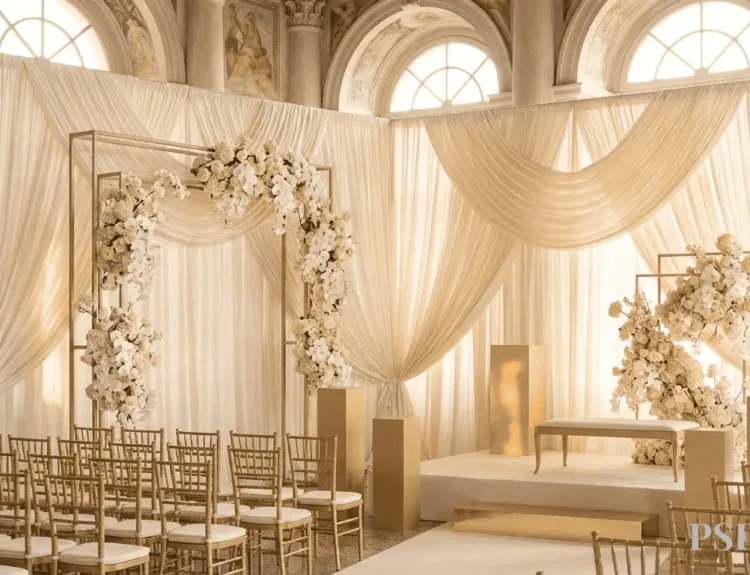
- Venue setup details
- Family interactions behind the scenes
- Guests arriving and greeting each other
- Quiet pauses between scheduled events
Capturing these details creates a more complete narrative.
The wedding album becomes a story rather than a sequence of portraits.
Blending Into the Background Improves Guest Comfort
Documentary photographers typically work discreetly to avoid interrupting natural interactions.
This approach allows guests to:
- behave naturally
- remain relaxed
- interact freely
- focus on celebration rather than cameras
Comfortable guests contribute to stronger candid imagery.
Subtle presence improves authenticity across the entire event.
Documentary Photography Preserves Unexpected Moments
Some of the most meaningful wedding memories happen outside the planned timeline. Documentary photographers remain attentive to these unscripted experiences.
Unexpected moments may include:
- spontaneous laughter during speeches
- emotional reunions between relatives
- improvised dance floor celebrations
- quiet reflections before ceremonies begin
Capturing these events strengthens the emotional depth of wedding albums.
Unplanned moments often become defining memories.
Supporting Couples Who Prefer a Relaxed Wedding Atmosphere
Many couples intentionally design weddings that feel personal rather than formal. Documentary photography complements this approach naturally.
Relaxed weddings often feature:
- outdoor ceremonies
- intimate guest lists
- flexible timelines
- informal reception layouts
Documentary photographers adapt easily to these environments.
Their approach supports the couple’s overall vision without introducing unnecessary structure.
Storytelling Through Sequenced Imagery
Documentary wedding photography emphasizes narrative progression. Photographs connect visually from one moment to the next.
Storytelling sequences often include:
- anticipation before the ceremony
- emotional reactions during vows
- celebration during reception entrances
- energy building on the dance floor
These transitions help couples revisit their wedding day chronologically.
Sequenced storytelling strengthens long term memory preservation.
Including Guests as Part of the Visual Narrative
Traditional photography sometimes prioritizes the couple above all other participants. Documentary photography expands focus to include the broader community present at the celebration.
Guest centered photography captures:
- friendships
- family dynamics
- shared laughter
- supportive gestures
These details highlight the relationships that shape the wedding experience.
Albums feel more inclusive and meaningful as a result.
Combining Documentary Style With Guided Portrait Sessions
Many couples choose hybrid photography coverage that blends documentary storytelling with limited guided portraits.
This combination allows photographers to capture:
- natural ceremony moments
- candid reception interactions
- structured family portraits
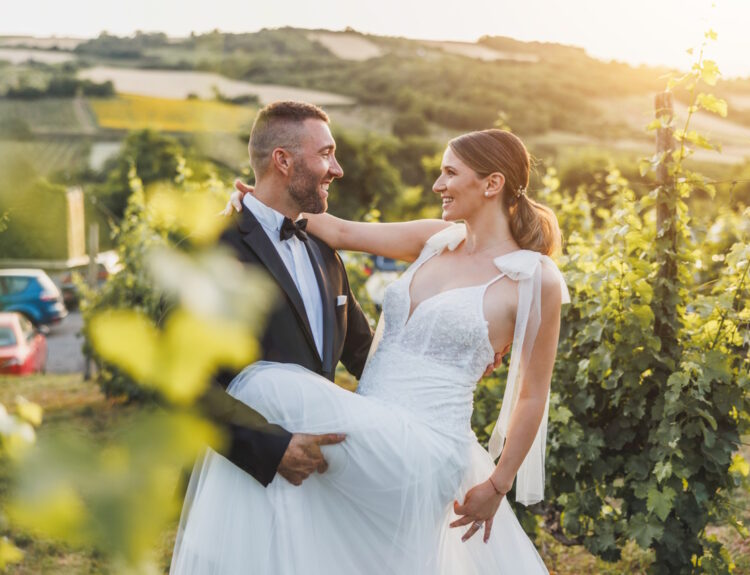
- couple portraits during golden hour
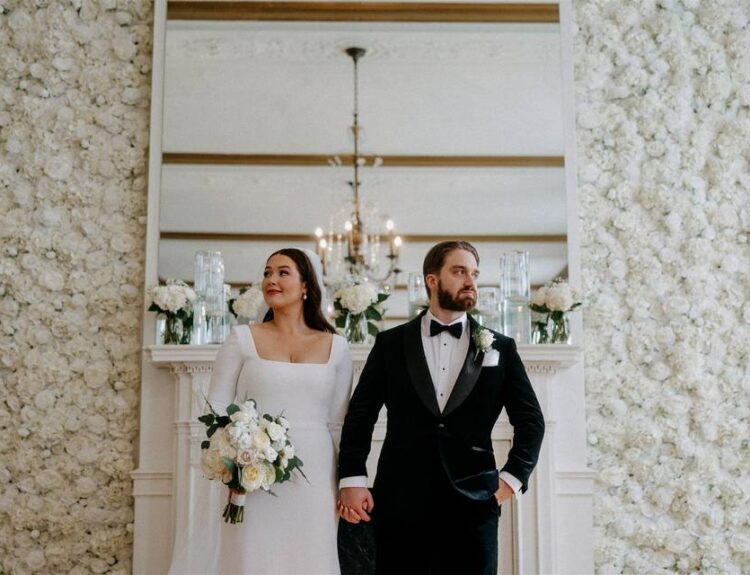
Hybrid approaches provide balance between authenticity and tradition.
Couples benefit from both storytelling depth and formal keepsake imagery.
Capturing Preparation Moments Before the Ceremony
Preparation time offers some of the most emotionally rich photography opportunities of the entire day.
Documentary coverage often includes:
- attire adjustments
- conversations with family members
- quiet reflections
- anticipation before ceremony entrances
These images establish emotional context for the rest of the wedding story.
Preparation photography adds depth to the final collection.
Documentary Photography Enhances Reception Coverage
Receptions provide dynamic environments where candid photography thrives.
Important reception moments captured through documentary style include:
- spontaneous dancing
- guest interactions at tables
- reactions to speeches
- informal celebrations between friends
These images reflect the energy of the evening authentically.
Reception photography often becomes the most expressive portion of the wedding album.
Supporting Inclusive and Multicultural Wedding Celebrations
Documentary photography adapts well to ceremonies that include multiple traditions or cultural elements.
Photographers capture:
- symbolic rituals
- cultural attire
- family participation
- ceremonial transitions
This approach preserves the meaning behind each element without interrupting the ceremony’s flow.
Inclusive storytelling strengthens the historical value of wedding photographs.
Why Documentary Photography Works Well for Outdoor Weddings
Outdoor weddings often benefit from documentary approaches because natural environments support spontaneous movement and lighting variation.
Outdoor documentary photography captures:
- landscape context
- changing light conditions
- guest movement patterns
- environmental details
These elements create visually rich storytelling opportunities.
Outdoor settings naturally complement candid photography techniques.
Choosing the Right Photographer for Documentary Coverage
Selecting a photographer experienced in documentary style ensures consistent storytelling across the entire event.
Important considerations include:
- portfolio review
- storytelling consistency
- comfort with candid environments
- experience managing natural light
- communication style with couples
Compatibility between photographer and couple improves overall results.
Trust plays an essential role in documentary photography success.
Why Documentary Wedding Photography Continues to Gain Popularity
Documentary photography reflects broader changes in how couples approach weddings. Many couples now prioritize authenticity, connection, and experience over formal presentation.
This shift supports the growth of documentary styles because they:
- preserve genuine emotion
- reduce posing pressure
- capture full event narratives
- highlight guest relationships
- reflect real environments
As weddings continue evolving toward personalized celebrations, documentary photography remains a natural fit.
Its storytelling approach aligns closely with how couples want to remember their wedding day.
Conclusion
Documentary wedding photography styles continue gaining popularity because they capture celebrations as they truly unfold. By focusing on authentic emotion, natural interactions, and storytelling continuity, this approach preserves memories in a way that feels honest and meaningful.
Couples who choose documentary photography often experience more relaxed wedding days and receive photo collections that reflect not just how their celebration looked but how it felt. As expectations shift toward genuine experiences, documentary photography remains one of the most compelling ways to preserve wedding memories.
FAQ Section
How many photographers are usually recommended for documentary wedding coverage
Many couples choose two photographers so that multiple perspectives can be captured simultaneously throughout the event.
Does documentary photography include detail shots of décor and styling
Yes. Documentary photographers often capture environmental details naturally as part of the overall story.
Can documentary photographers still provide traditional family portraits
Most documentary photographers include time for structured family portraits while maintaining candid coverage throughout the rest of the day.
Is documentary wedding photography suitable for large weddings
Yes. Larger weddings often provide more opportunities for candid storytelling across multiple guest interactions.
How early should documentary photography coverage begin on the wedding day
Coverage usually begins during preparation time to capture the full narrative from early moments through the reception.
Are documentary photography styles compatible with indoor evening weddings
Yes. Experienced photographers adapt techniques to changing lighting conditions while preserving candid storytelling.
How long does it typically take to receive documentary wedding photo collections
Delivery timelines vary, but most couples receive edited galleries within several weeks depending on the photographer’s workflow and coverage length.