
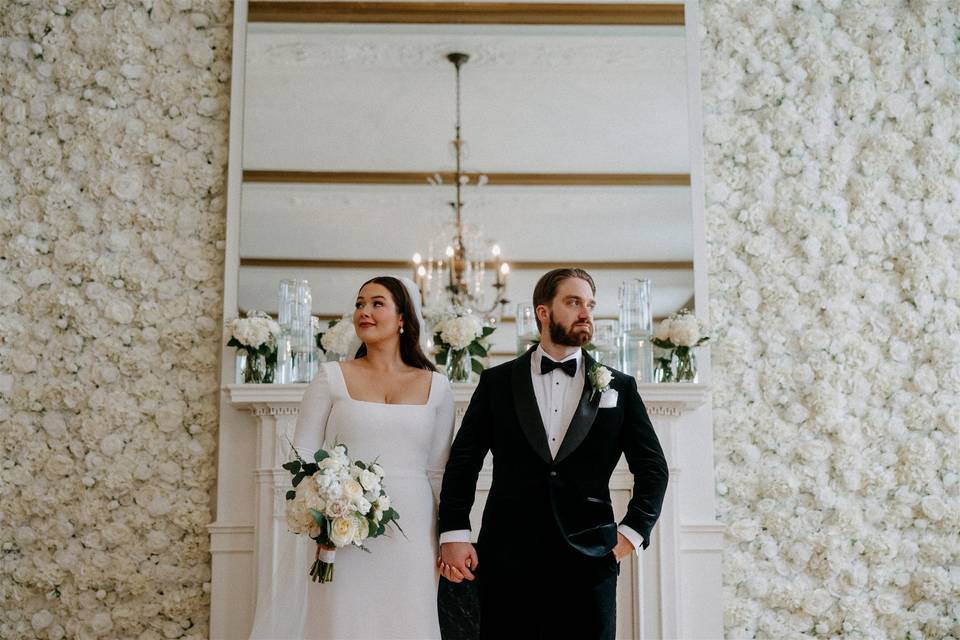
Weddings are remembered not only for vows and photographs but also for how guests feel throughout the celebration. Thoughtful styling transforms a gathering into an immersive experience that reflects personality, hospitality, and intention. From the moment guests receive the invitation to the final farewell at the exit, every design decision quietly shapes comfort, emotion, and memory.
Carefully planned styling does more than decorate a venue. It communicates tone, supports flow, encourages interaction, and makes people feel valued. The following guide explores the styling details that most strongly influence how guests experience a wedding day from start to finish.
First Impressions Begin Before Arrival
Guest experience starts long before anyone steps into the ceremony space. The earliest styling cues shape expectations and excitement.
Invitation Design Sets the Emotional Tone
Your invitation suite introduces the visual language of the celebration. Elements that influence perception include:
- Paper texture and weight
- Typography choices
- Envelope liners
- Color palette
- Illustrations or monograms
A formal serif typeface on thick cotton paper signals elegance. Hand-drawn florals suggest warmth and romance. Clean typography hints at a modern celebration. Guests subconsciously prepare for the atmosphere ahead.
Consistency between invitations and wedding décor also creates a seamless experience that feels polished and intentional.
Pre-Wedding Communication Reduces Guest Stress
Clear styling extends to practical materials such as:
- Wedding websites
- Welcome emails
- Weekend itineraries
- Digital maps
- Dress code visuals
When guests know what to expect, they arrive relaxed rather than uncertain. Comfort begins with clarity.
Arrival Moments Shape Comfort Immediately
The transition from outside the venue into the ceremony environment is one of the most influential styling opportunities.
Entrance Design Creates Emotional Impact
A welcoming entry sequence might include:
- Floral installations
- Signage displays
- Soft background music
- Lantern pathways
- Personalized welcome boards
These elements gently signal that guests are entering a thoughtfully curated environment rather than simply attending an event.
A well-styled entrance also helps guests orient themselves quickly and confidently.
Clear Directional Signage Supports Flow
Even beautiful weddings can feel stressful if guests do not know where to go. Elegant signage improves comfort while reinforcing the overall aesthetic.
Important signage includes:
- Ceremony direction markers
- Seating instructions
- Restroom indicators
- Cocktail hour guidance
- Transportation schedules
When navigation feels effortless, guests stay present and engaged.
Ceremony Styling Influences Emotional Connection
The ceremony is the heart of the wedding day. Styling choices should support visibility, comfort, and emotional resonance.
Seating Layout Encourages Inclusion
Consider guest experience when designing ceremony seating:
- Curved seating creates intimacy
- Center aisles improve visibility
- Semi-circle arrangements feel inclusive
- Reserved seating reduces confusion
Guests who can clearly see and hear the ceremony remain emotionally connected throughout the moment.
Ceremony Backdrops Frame the Experience
The ceremony backdrop becomes the visual anchor of the entire event. Strong choices include:
- Floral arches
- Fabric installations
- Architectural structures
- Natural landscapes
- Minimalist statement frames
The backdrop should complement the couple while remaining visible to every guest.
Lighting Is the Most Powerful Styling Tool
Lighting quietly shapes atmosphere more than any other design element.
Natural Light Creates Warmth and Authenticity
Daytime ceremonies benefit from:
- Window placement awareness
- Soft diffusion fabrics
- Balanced shadows
- Sunset timing considerations
Guests instinctively respond to comfortable lighting environments.
Evening Lighting Shapes Mood and Energy
Strategic evening lighting enhances emotional tone through:
- Candle clusters
- String lights
- Uplighting
- Chandeliers
- Table pin-spots
Soft layered lighting encourages conversation and relaxation. Harsh overhead lighting often reduces comfort and intimacy.
Seating Assignments Influence Social Experience
Thoughtful seating arrangements make guests feel recognized and included.
Escort Displays Add Personality
Escort displays can become interactive styling features such as:
- Acrylic boards
- Floral walls
- Vintage mirrors
- Hanging tags
- Travel-inspired maps
Creative displays serve both practical and aesthetic roles.
Table Grouping Encourages Conversation
Strategic placement considers:
- Shared interests
- Family relationships
- Travel groups
- Age balance
- Personality compatibility
Guests enjoy celebrations more when seated thoughtfully.
Tablescape Styling Shapes Dining Comfort
Reception tables are where guests spend the most time. Styling directly affects enjoyment.
Layered Table Design Adds Depth
A refined tablescape often includes:
- Charger plates
- Linen textures
- Folded napkins
- Menu cards
- Place cards
- Centerpieces
Layering creates visual richness without overcrowding the table.
Centerpieces Should Support Interaction
Guests should never struggle to see across the table.
Effective centerpiece strategies include:
- Alternating tall and low arrangements
- Transparent vessels
- Compact floral clusters
- Candle groupings
Comfortable conversation always comes before decoration scale.
Lounge Areas Encourage Relaxation
Reception styling should include spaces beyond dining tables.
Soft Seating Zones Extend the Experience
Lounge areas provide:
- Conversation spaces
- Rest breaks for older guests
- Photo opportunities
- Visual contrast within the venue
- A relaxed social atmosphere
These areas often become favorite gathering spots during the evening.
Texture Creates Visual Warmth
Layering textures enhances comfort through:
- Velvet sofas
- Patterned rugs
- Accent pillows
- Wood coffee tables
- Metallic side accents
Texture makes spaces feel intentional rather than temporary.
Thoughtful Signage Enhances Storytelling
Wedding signage does more than guide guests. It communicates personality.
Examples include:
- Signature drink boards
- Welcome timelines
- Love story displays
- Photo memory installations
- Seating charts with personal notes
These details invite guests into the couple’s story.
Floral Styling Shapes Emotional Atmosphere
Florals remain one of the most influential visual elements in wedding design.
Color Selection Influences Guest Perception
Color psychology plays a subtle role:
- Soft pastels feel romantic
- Deep tones feel dramatic
- Neutral palettes feel elegant
- Bright colors feel energetic
Consistency across ceremony and reception strengthens cohesion.
Placement Matters More Than Quantity
Strategic floral placement often has greater impact than volume.
High-impact placement areas include:
- Ceremony entrance
- Head table
- Cake display
- Escort table
- Bar styling
Focused styling ensures guests notice intentional design moments.
Music Styling Supports Energy Flow
Sound design is part of styling even though it is not visual.
Ceremony Music Sets Emotional Direction
Instrument choices influence atmosphere:
- String quartets feel timeless
- Acoustic guitars feel relaxed
- Piano feels classic
- Vocalists feel cinematic
Music frames the emotional tone of the ceremony before vows begin.
Reception Sound Shapes Guest Participation
Balanced sound levels encourage:
- Conversation during dinner
- Engagement during speeches
- Energy during dancing
Guests respond strongly to well-managed audio environments.
Bar Styling Encourages Interaction
Bars often become natural social centers.
Signature Drink Displays Add Personality
Consider styling elements such as:
- Illustrated drink menus
- Custom glassware tags
- Herb garnishes
- Coordinated signage
- Color-matched cocktails
Signature drinks create memorable talking points.
Strategic Bar Placement Improves Flow
Bars should be:
- Visible
- Accessible
- Evenly distributed in large venues
- Positioned away from traffic bottlenecks
Convenience contributes directly to enjoyment.
Cake and Dessert Displays Create Visual Highlights
Dessert styling often becomes a centerpiece moment later in the evening.
Display Design Enhances Presentation
Strong styling choices include:
- Elevated cake platforms
- Floral surrounds
- Candle framing
- Backdrop installations
- Statement linens
Guests naturally gather around visually compelling displays.
Variety Supports Guest Preferences
Offering options improves satisfaction:
- Mini pastries
- Late-night snacks
- Cultural desserts
- Gluten-free selections
- Chocolate stations
Thoughtful variety shows care for guest comfort.
Exit Styling Leaves a Lasting Impression
The final moments of a wedding influence what guests remember most.
Coordinated Farewell Elements Feel Meaningful
Popular exit styling ideas include:
- Sparkler tunnels
- Ribbon wands
- Flower petals
- Lantern send-offs
- Vintage vehicle departures
A styled exit creates a satisfying conclusion to the celebration.
Departure Logistics Matter
Providing:
- Transportation signage
- Shuttle coordination
- Take-home favors
- Weather accommodations
ensures guests leave comfortably and safely.
Personalization Creates Emotional Connection
Guests feel most engaged when styling reflects authenticity rather than trends.
Meaningful personalization might include:
- Cultural traditions
- Family heirlooms
- Shared hobbies
- Travel memories
- Storytelling displays
Authentic details make celebrations memorable.
FAQ Section
How early should wedding styling planning begin?
Styling decisions typically begin shortly after securing the venue. Early planning ensures color palettes, rentals, florals, and lighting designs remain cohesive across all event spaces.
What styling details guests notice most first?
Entrance displays, ceremony backdrops, lighting, and table settings are usually the first elements guests register upon arrival.
Is professional wedding styling necessary for smaller weddings?
Even intimate weddings benefit from intentional styling. Smaller events often allow for more personalized and detailed design choices.
How can couples improve guest comfort through styling?
Comfort improves through clear signage, accessible seating arrangements, thoughtful lighting, and well-planned lounge areas that support conversation.
Should ceremony and reception styling match exactly?
They should feel connected rather than identical. Using consistent colors, textures, or florals helps create visual continuity without repetition.
How can styling support guests traveling from out of town?
Welcome signage, itinerary displays, hospitality baskets, and transportation guidance help visiting guests feel supported throughout the event.
What styling mistakes most affect guest experience negatively?
Common issues include overcrowded tables, unclear signage, poor lighting, and seating arrangements that separate close social groups. Thoughtful planning prevents these problems and improves overall enjoyment.