
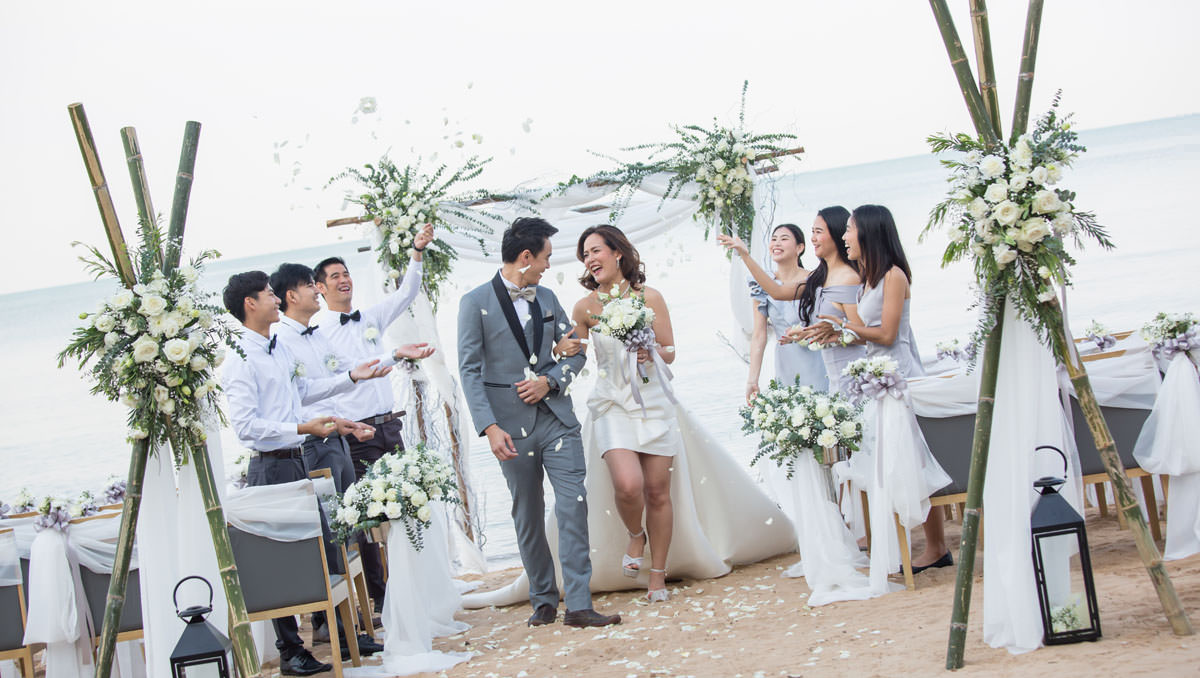
A destination wedding should feel like a celebration rather than a logistics exercise, yet good planning is what allows that relaxed atmosphere to happen. Couples arranging a Pattaya wedding should think about guest travel, ceremony timing, weather, accommodation and the flow between each part of the day before becoming absorbed in smaller decorative details.
Start With The Guest Experience
Destination weddings ask more of guests than a local event. People may need to book flights, take time away from work and arrange several nights of accommodation, so clear information early on is valuable.
Couples should give guests enough notice and explain the practical details in one place. Arrival dates, hotel information, dress guidance, transport arrangements and the approximate schedule can all help people plan with confidence. Guests travelling internationally may also appreciate advice on how long to stay before and after the wedding.
Keeping the main wedding activities reasonably close together can make the experience easier. If guests are repeatedly travelling across an unfamiliar destination between the ceremony, reception and accommodation, the day can begin to feel fragmented.
The ideal plan allows guests to focus on celebrating rather than working out where they need to go next.
Build The Schedule Around The Setting
A coastal wedding creates opportunities for beautiful outdoor moments, but climate and light should influence the schedule. Midday heat can make an outdoor ceremony uncomfortable, while later parts of the day may provide softer light and a more pleasant temperature.
Weather contingency is just as important. Even during seasons that are usually favourable, outdoor events need a realistic alternative. Couples should know what happens if rain, strong wind or another weather issue makes the original setup unsuitable.
This plan should feel like a genuine second option rather than an emergency compromise. A well-designed indoor or covered alternative allows the event to continue without guests feeling that the day has fallen apart.
Photography timing, dinner service and entertainment can then be planned around the ceremony rather than added independently.
Food Should Fit The Event
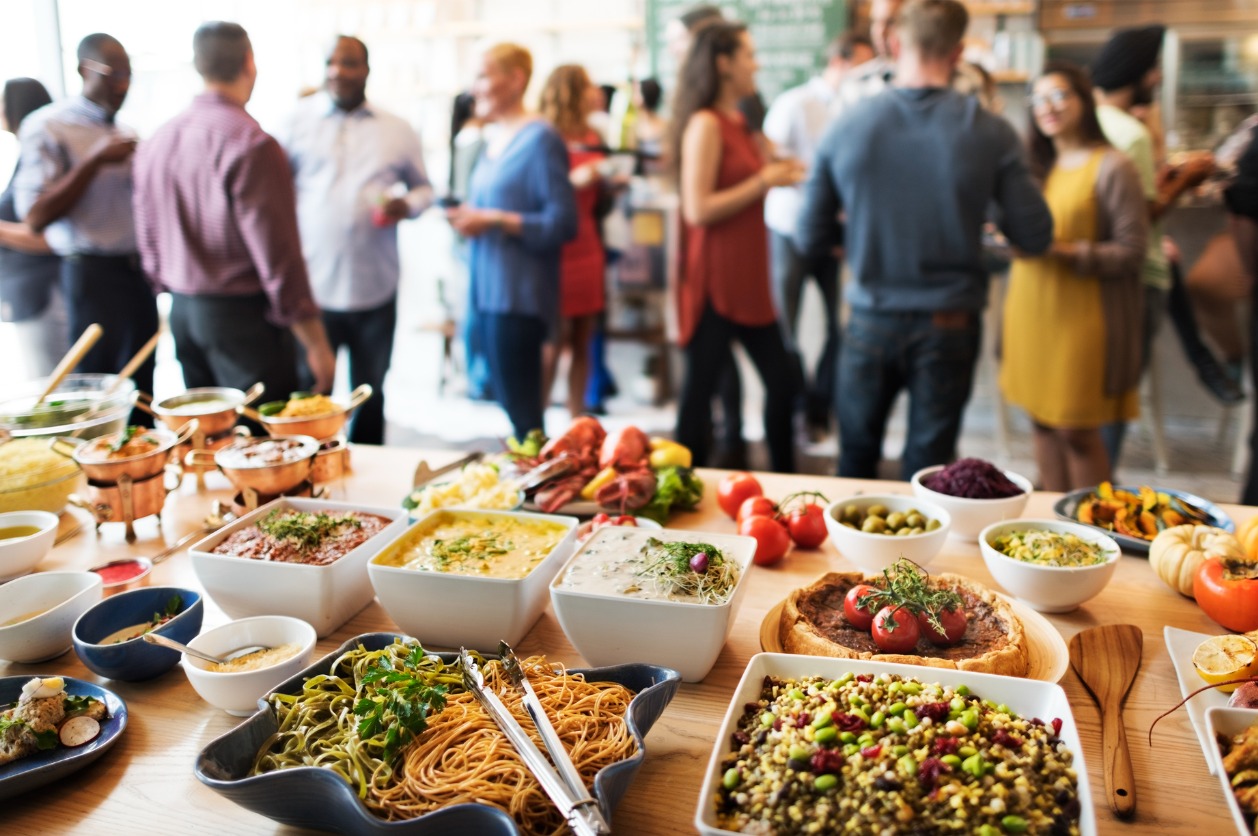
Wedding menus need to suit a wide group of people. Guests may have dietary restrictions, allergies, cultural preferences or simply different expectations around spice and unfamiliar dishes.
Couples should discuss these needs early with the venue. A menu can still feel distinctive without making guests uncomfortable. Local flavours can sit alongside familiar options, giving people the opportunity to try something new while ensuring everyone has enough to eat.
Service style affects the atmosphere too. A formal plated dinner creates a different rhythm from sharing dishes or a buffet. Neither is automatically better; the choice should reflect the number of guests and the kind of celebration the couple wants.
Timing matters particularly where speeches, entertainment and photographs are involved. Food service works best when it is treated as part of the wider programme.
Leave Room To Enjoy The Day
It is easy to over-schedule a destination wedding because there are so many opportunities to add activities. The risk is that the couple spends the entire event moving from one planned moment to another without actually enjoying the people around them.
Building small gaps into the schedule helps. Guests can talk, photographs can happen without panic and delays do not immediately derail everything else.
The best destination weddings feel effortless to the people attending them, even though a great deal of preparation has happened behind the scenes. When guest logistics, weather, food and timing are handled early, couples can spend more of the day experiencing the celebration rather than managing it.