
A wedding breakfast can look beautiful on paper and still feel wrong for the couple. Long courses, fixed seating, and formal service have their place, but they can make a relaxed celebration feel overly controlled. The problem is not tradition itself. It is choosing a meal format because it is expected rather than because it suits the people getting married, their guests, and the venue.
Food is one of the longest shared parts of a wedding day. Guests may spend more time eating, waiting for courses, and talking at tables than they spend watching the ceremony. That makes the meal a major part of the atmosphere. A couple who wants a social reception should think about how people will move, talk, and choose food rather than concentrating only on how plates look in photographs.
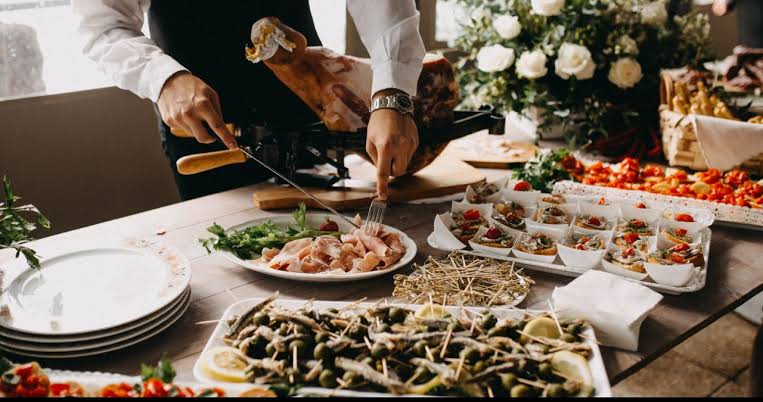
One answer is to use cooking as part of the reception itself. Open kitchens, live grills, carving stations, shared platters, and chef led service can make food feel more connected to the room. Guests see where the meal comes from and can often choose portions or accompaniments. The approach can still look polished while feeling less rigid than a long sequence of identical plated courses.
Couples researching Italian wedding suppliers may come across terms such as catering matrimono while comparing less formal food formats. The wording may vary from one provider to another, but the useful question stays the same. Does the service style fit the celebration, or is the couple adjusting the whole reception around the caterer.
The explanation usually comes down to timing. Formal dining works best when every guest is ready to eat at the same moment.
More flexible formats can absorb late photographs, children leaving the table, older relatives taking a break, and friends moving between groups. They can also give the couple more freedom to spend time with guests rather than disappearing into a strict dining schedule.
A less formal meal still needs structure. Without it, guests can end up queuing, popular dishes can disappear too early, and dietary choices can become unclear. The service team should know how many people can collect food at once, where plates and cutlery will be placed, which dishes need replenishing, and how allergens will be communicated.
Good examples include a garden reception where chefs cook in view of the guests, a country venue serving large dishes to each table, or an evening celebration that moves from small bites into a main grill service. These formats work because they create a reason for people to move and talk rather than because they reject formal dining.
- A small wedding can use one cooking station with table service for sides and drinks
- A medium reception can use two food points so guests do not form one long queue
- A larger celebration can combine live cooking with pre prepared sides and staffed service areas
Another example is a destination wedding where the menu is tied to place. Local produce, regional breads, vegetables, seafood, or meat can become part of the experience without turning dinner into a theme park version of local culture. The food should still be comfortable for guests who have travelled a long way and may have different dietary needs.
Couples should also think about clothing, weather, and venue surfaces. Smoke drifting towards formal outfits is not ideal, and a cooking area placed on soft ground may be difficult after rain. The best food plan includes practical details that guests never need to notice.
Searching for catering matrimono may lead a couple towards providers using fire and live cooking, but the link should be the start of the research rather than the end. Ask what is cooked on site, how long service takes, whether tasting is available, what happens in poor weather, and how special diets are handled.
The couple can make the decision easier by writing down three priorities before speaking to suppliers. They might want guests to move around, food cooked in view, and a dinner that does not interrupt the party for two hours. Those priorities give the caterer something concrete to plan around. They also make it easier to reject attractive ideas that do not suit the day. A provider can then explain which dishes, service points, staffing levels, and backup arrangements support the priorities rather than presenting a standard package.
Cost comparisons also need care. A less formal format is not automatically cheaper because live cooking can require extra equipment, fuel, preparation staff, and service areas. Ask for a written breakdown of what is included. Tables, linen, crockery, glassware, staff hours, travel, cleanup, and tasting sessions can change the final price. Comparing like with like gives the couple a clearer view of what they are paying for and avoids choosing a menu that later grows through add-ons.
The summary is simple. A wedding meal does not need to be formal to feel considered. It needs a clear service plan, food that suits the venue, and a format that supports the kind of celebration the couple actually wants. When the meal encourages conversation and gives guests enough choice without creating confusion, it becomes part of the day rather than a pause in it.