
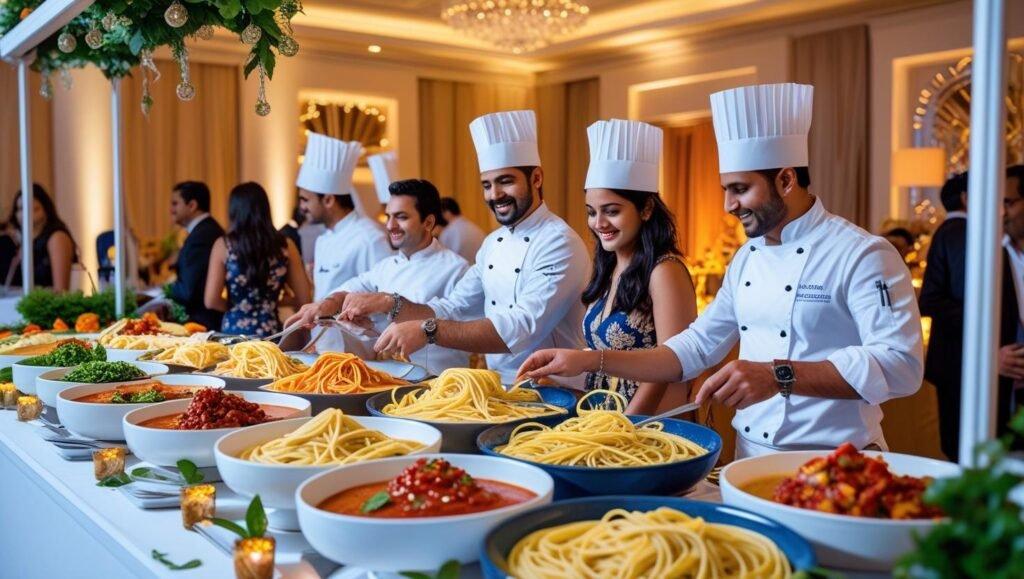
Modern events are no longer defined solely by décor, venue selection, or entertainment. Today’s hosts are expected to create immersive experiences that keep guests engaged from arrival through the final course. One of the most effective ways to accomplish this transformation is through interactive catering stations.
Unlike traditional plated meals or static buffet tables, interactive stations encourage participation, conversation, and personalization. Guests become active participants rather than passive diners, and that shift dramatically elevates the atmosphere of any gathering.
From weddings and corporate functions to private celebrations and large-scale social events, interactive catering stations are redefining how food contributes to the overall guest experience.
What Are Interactive Catering Stations
Interactive catering stations are food service setups where chefs prepare dishes in front of guests or where attendees customize their meals in real time. These stations combine culinary presentation with live engagement.
Instead of waiting in line for identical servings, guests:
- Choose ingredients
- Watch meals prepared fresh
- Interact with chefs
- Customize flavors and portions
- Explore multiple culinary styles
This approach transforms catering from a background service into a centerpiece of the event.
Why Guest Experience Matters More Than Ever
Events today compete with countless entertainment options. Guests expect more than convenience and presentation. They expect involvement.
Interactive catering stations deliver:
- Sensory engagement
- Social interaction
- Personalization
- Entertainment value
- Memorable moments
Food becomes part of the story guests remember rather than just something they consume.
How Interactive Stations Encourage Social Interaction
Traditional meal service often limits guest interaction to those seated nearby. Interactive stations naturally encourage movement and conversation across the venue.
Guests gather around stations to:
- Discuss ingredient choices
- Watch chefs cook
- Share recommendations
- Compare dishes
- Meet new people
This movement creates a lively atmosphere that energizes the event space.
Instead of isolated dining experiences, attendees participate in a shared culinary journey.
Personalization Creates Stronger Impressions
Customization is one of the strongest advantages of interactive catering.
Guests appreciate the ability to tailor dishes based on:
- Dietary needs
- Flavor preferences
- Portion size
- Spice levels
- Ingredient selection
Examples of customizable stations include:
- Pasta bars
- Taco stations
- Salad creation counters
- Stir-fry stations
- Gourmet burger setups
When guests control their meals, satisfaction increases significantly.
Live Cooking Adds Entertainment Value
Watching chefs prepare dishes in real time adds theatrical appeal to catering service.
Live cooking stations provide:
- Visual excitement
- Aromatic appeal
- Culinary transparency
- Educational opportunities
- Authentic dining experiences
Guests enjoy seeing techniques like:
- Flame grilling
- Hand-rolled pasta preparation
- Fresh sushi assembly
- Crepe flipping
- Caramelized dessert finishing
These moments become highlights of the event rather than background activity.
Interactive Stations Support Dietary Inclusivity
Modern guest lists often include a variety of dietary requirements. Interactive stations simplify accommodation without drawing attention to restrictions.
They easily support:
- Vegetarian diets
- Vegan lifestyles
- Gluten-free needs
- Dairy-free preferences
- Low-carb choices
- Allergy-conscious selections
Instead of preparing separate meals, chefs adjust ingredients at the station.
This approach improves comfort and confidence for guests with specific needs.
Popular Types of Interactive Catering Stations
Interactive stations can be customized to match the theme, formality level, and audience of any event.
Some widely requested options include:
Build-Your-Own Taco Stations
Guests choose proteins, toppings, sauces, and tortillas to create personalized tacos. This option works well for both casual celebrations and upscale themed events.
Pasta Action Stations
Chefs prepare fresh pasta with selected sauces, vegetables, and proteins while guests watch the cooking process unfold.
Gourmet Slider Stations
Mini burgers allow guests to experiment with flavor combinations without committing to one full entrée.
Popular toppings include:
- Caramelized onions
- Specialty cheeses
- Signature sauces
- Pickled vegetables
Sushi Rolling Counters
Professional sushi chefs assemble rolls based on guest selections, delivering both freshness and visual appeal.
Dessert Finishing Stations
Sweet stations often include:
- Crepe preparation counters
- Chocolate dipping stations
- Ice cream topping bars
- Mini waffle stations
Dessert stations frequently become social hubs late in the event.
Interactive Stations Enhance Event Flow
Static buffets can create congestion. Interactive stations improve traffic movement throughout the venue.
Benefits include:
- Reduced wait times
- Better space distribution
- Continuous service availability
- Multiple service points
- Flexible guest pacing
Guests move naturally between stations instead of lining up in one location.
This improves comfort and keeps the event dynamic.
Branding Opportunities for Corporate Events
Interactive catering stations offer powerful branding opportunities for business gatherings.
Companies can incorporate:
- Logo-shaped desserts
- Signature cocktails
- Themed menu names
- Custom packaging
- Branded serving displays
These subtle touches reinforce identity without disrupting the experience.
Employees and clients often remember branded culinary experiences long after presentations conclude.
Interactive Catering Supports Event Themes
One of the strongest advantages of this catering style is adaptability.
Stations can reflect themes such as:
- Mediterranean night
- Street food festival
- Rustic countryside wedding
- International tasting journey
- Seasonal harvest celebration
Each station becomes part of the event narrative.
When culinary design aligns with décor and entertainment, the experience feels intentional rather than assembled.
Encouraging Guest Movement Improves Energy Levels
Events sometimes lose momentum when guests remain seated for extended periods.
Interactive stations naturally encourage:
- Exploration
- Social engagement
- Curiosity
- Participation
Movement creates a lively environment that feels spontaneous rather than structured.
This energy often translates into stronger guest satisfaction overall.
Interactive Stations Increase Perceived Event Value
Guests often associate customization with premium experiences.
Even modest menus feel elevated when prepared live or assembled individually.
Reasons perceived value increases include:
- Fresh preparation visibility
- Personalized portions
- Chef interaction
- Visual presentation quality
- Variety across stations
Hosts benefit from stronger impressions without necessarily increasing food quantity.
Planning Considerations for Interactive Catering Success
To maximize effectiveness, hosts should carefully coordinate station placement and menu selection.
Important planning factors include:
Space Requirements
Stations need adequate room for:
- Cooking equipment
- Ingredient displays
- Guest circulation
- Staff movement
Crowded layouts reduce interaction quality.
Staff Expertise
Experienced chefs improve the station experience significantly.
Professional station chefs:
- Engage with guests comfortably
- Work efficiently
- Maintain presentation standards
- Manage dietary requests smoothly
Their presence enhances both service quality and entertainment value.
Menu Balance
Menus should offer variety without overwhelming guests.
An ideal station mix includes:
- One comfort option
- One adventurous selection
- One vegetarian-friendly choice
- One dessert station
Balanced variety ensures everyone finds something appealing.
Sustainability Benefits of Interactive Catering
Interactive stations often reduce food waste compared to traditional buffet service.
Advantages include:
- Portion control flexibility
- Fresh preparation on demand
- Reduced unused inventory
- Fewer discarded trays
Sustainability-conscious guests increasingly appreciate environmentally responsible catering decisions.
This approach aligns with modern expectations for responsible event planning.
Technology Integration Enhances Interactive Stations
Some event planners incorporate digital tools to elevate the station experience even further.
Innovations may include:
- Digital menu displays
- QR ingredient explanations
- Custom order tablets
- Live cooking screens
- Interactive lighting elements
Technology strengthens engagement without replacing the human connection that makes stations effective.
Interactive Catering Strengthens Event Memories
Guests rarely remember standard buffet layouts. They remember experiences.
Interactive catering stations create memorable moments through:
- chef conversations
- customized dishes
- visual preparation
- shared discovery
- unexpected flavor combinations
These elements transform catering from a service function into an experience centerpiece.
When food becomes part of the entertainment, the event leaves a lasting impression.
Conclusion
Interactive catering stations have become one of the most effective tools for elevating modern events. They transform dining into participation, strengthen social interaction, support dietary inclusivity, and enhance overall event energy.
Whether used for weddings, corporate gatherings, or private celebrations, these stations create meaningful engagement that traditional catering approaches rarely achieve.
As guest expectations continue to evolve, interactive food experiences will remain a defining feature of successful event design.
FAQ Section
What types of events benefit most from interactive catering stations
Interactive stations work well for weddings, corporate events, networking receptions, birthday celebrations, product launches, and anniversary parties. Any gathering focused on guest engagement benefits from this approach.
Are interactive catering stations more expensive than traditional catering
Costs vary depending on menu complexity and staffing requirements. However, many hosts find the improved guest experience justifies the investment.
How many interactive stations should an event include
The number depends on guest count and venue size. Most mid-sized events benefit from three to five stations to ensure smooth flow and variety.
Can interactive stations accommodate large guest lists efficiently
Yes. With proper layout planning and adequate staffing, stations can serve large groups while maintaining steady movement throughout the venue.
Are interactive catering stations suitable for formal events
They can be adapted for formal environments by selecting refined menu options such as chef-carved entrées, gourmet pasta stations, or plated finishing stations.
How far in advance should interactive catering stations be planned
Planning typically begins several weeks in advance to coordinate staffing, equipment needs, menu selections, and venue logistics.
Do interactive catering stations require additional venue space
They generally require more room than standard buffet setups, but thoughtful placement improves guest circulation and enhances the overall event experience.